Introduction
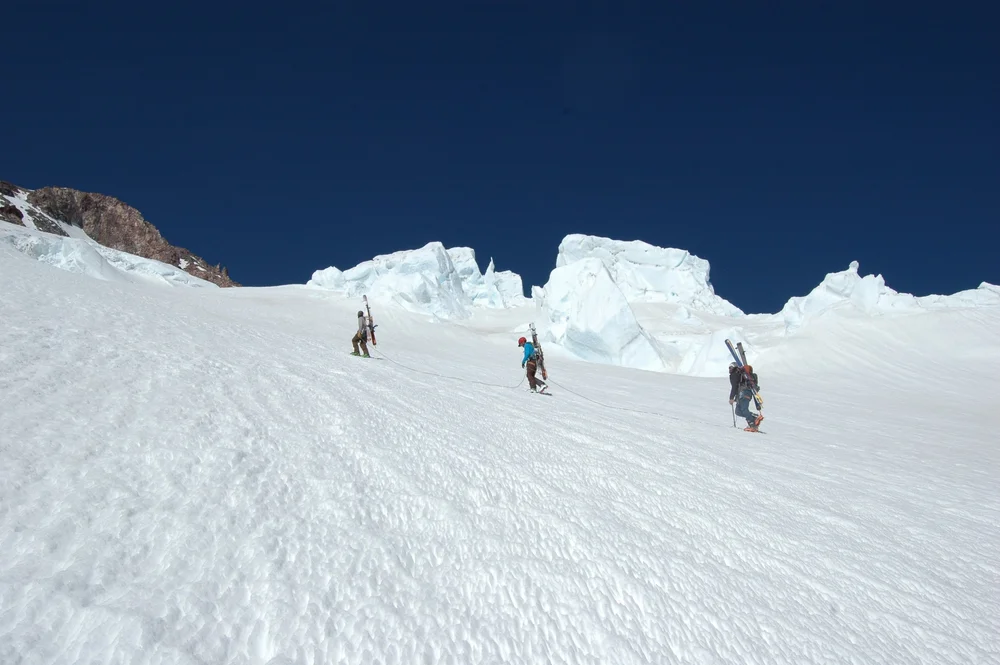
Mount Shasta Hiking offers an unforgettable experience for outdoor enthusiasts who enjoy mountain scenery, peaceful forests, and diverse trails. Every season presents a different side of the mountain, making it important to choose the right time for your hiking goals. Whether you are interested in scenic nature walks, exploring Mt Shasta hiking routes, or learning about Mount Shasta climbing, understanding seasonal conditions can help you plan a safer and more enjoyable adventure.

Many visitors ask about the best time to visit Mount Shasta because weather, trail accessibility, and snow levels vary significantly throughout the year. This guide explains what to expect in each season and provides useful information for planning your trip.
Spring: A Season of Fresh Scenery
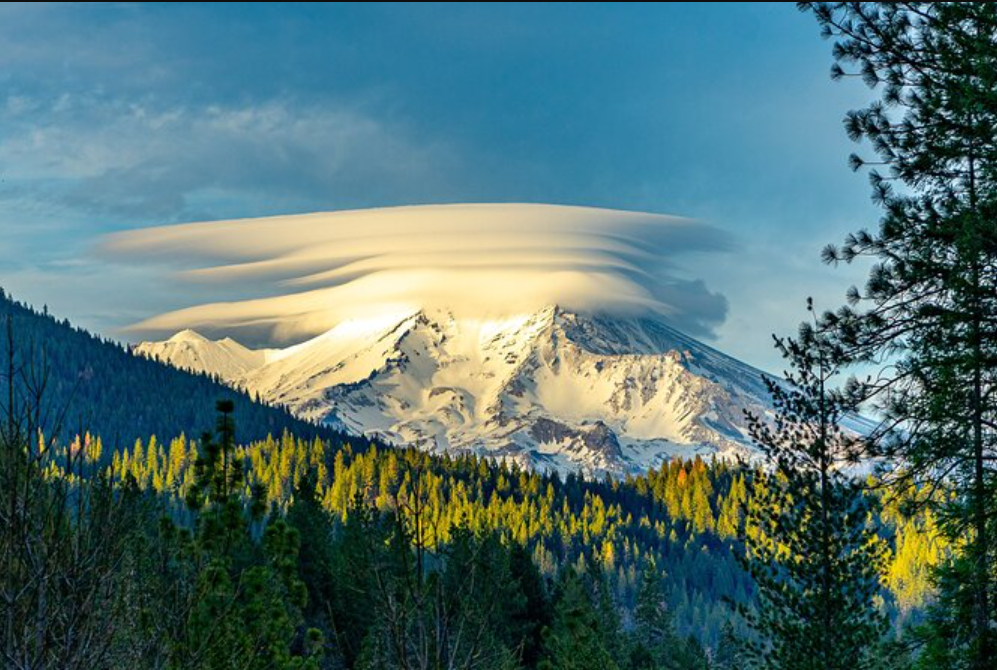
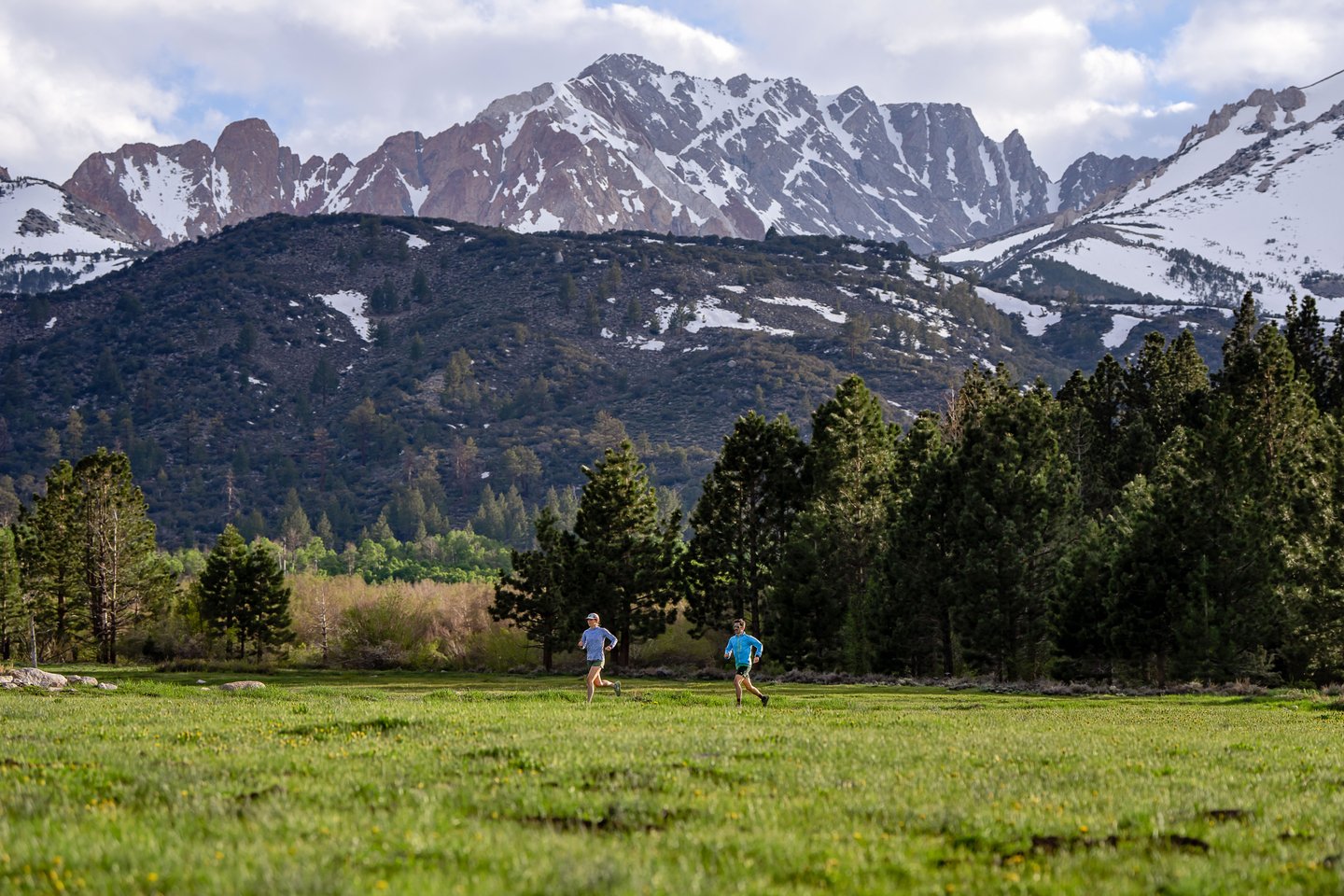
Spring, from March through May, marks the beginning of the hiking season around Mount Shasta. Snow starts melting at lower elevations, streams become more active, and wildflowers gradually begin to bloom.
While lower trails become accessible, higher Mt Shasta hiking routes may still have snow and ice. Hikers should always check current trail conditions before starting a journey.
Spring is a good choice for travelers who prefer quieter trails and cooler temperatures. However, weather can change quickly, so proper clothing and waterproof hiking boots are recommended.
For those interested in Mount Shasta climbing, spring often requires specialized mountaineering equipment because snow remains on higher slopes.
Summer: The Most Popular Time for Mount Shasta Retreat for Hiking
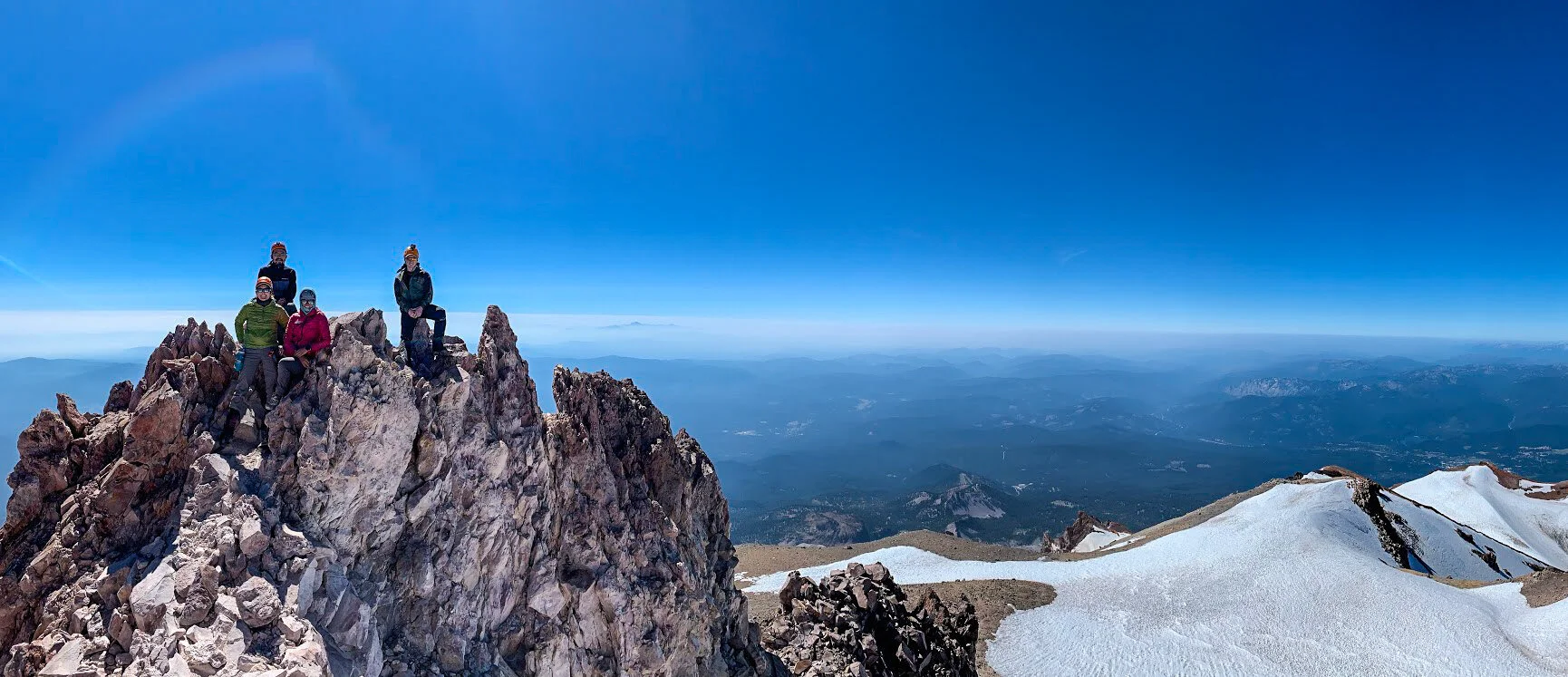
For many outdoor enthusiasts, summer is considered the best time to visit Mount Shasta. Between June and September, warmer temperatures and longer daylight hours make hiking more comfortable.
Most popular Mt Shasta hiking routes are open during this season, allowing visitors to explore alpine meadows, forests, volcanic landscapes, and panoramic viewpoints.
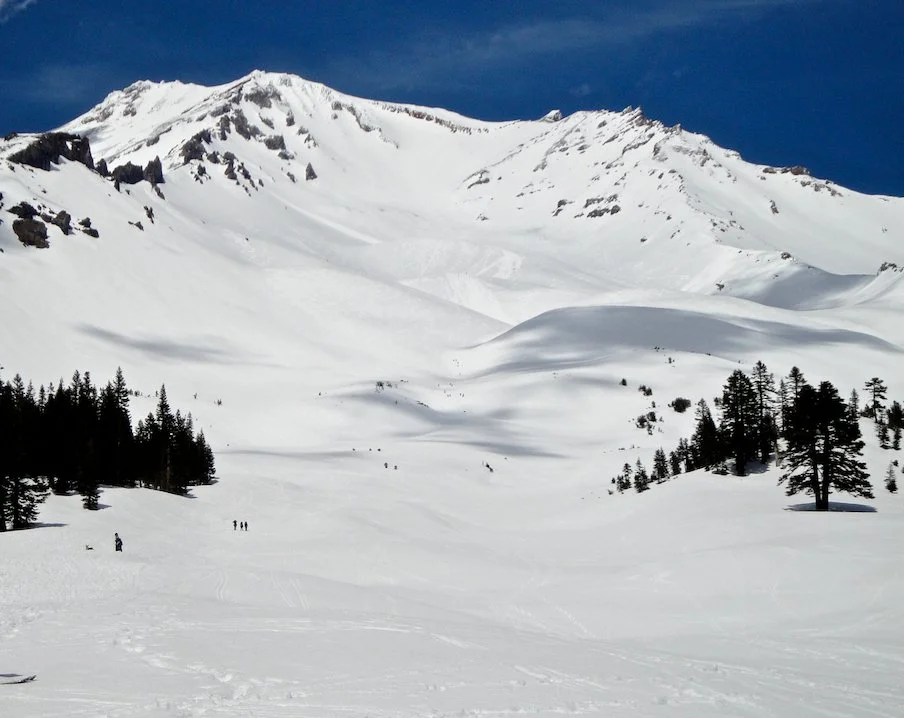
Summer conditions are also favorable for experienced climbers planning Mount Shasta climbing adventures. Although weather is generally stable, mountain conditions can still change unexpectedly, making preparation essential.
Many first-time visitors wonder, can you hike to the top of Mt Shasta? The answer depends on experience and preparation. Reaching the summit is not a typical hiking trip. It is considered a mountaineering climb that involves steep snowfields, changing weather, and technical challenges. Most successful summit attempts require physical fitness, proper equipment, and careful planning.
Autumn: Peaceful Trails and Colorful Landscapes
Autumn offers another excellent opportunity for Mount Shasta Hiking. From late September through October, cooler temperatures return, and the forests display beautiful seasonal colors.
Many hikers choose autumn because trails become less crowded after the summer season. Visibility is often excellent, creating ideal conditions for photography and sightseeing.
Although lower Mt Shasta hiking routes usually remain open, higher elevations may receive the first snowfall by late autumn. Visitors should monitor weather forecasts before heading into the mountains.
For those researching the best time to visit Mount Shasta, autumn provides a balance of pleasant temperatures, scenic beauty, and fewer visitors.
Winter: Snow-Covered Adventure
Winter transforms Mount Shasta into a snow-covered landscape. Heavy snowfall limits access to many hiking trails, making traditional hiking difficult.
During this season, Mount Shasta climbing becomes much more technical and should only be attempted by experienced climbers with appropriate training and equipment.
Anyone asking, can you hike to the top of Mt Shasta, should understand that winter summit attempts require advanced mountaineering skills rather than ordinary hiking experience.
Some lower areas remain suitable for snowshoeing or winter walks, but trail conditions should always be checked before visiting.
Understanding Mount Shasta Climbing
There is an important difference between regular hiking and Mount Shasta climbing. Hiking usually involves maintained trails with moderate elevation changes, while climbing the mountain’s summit requires navigating steep snowfields, high altitude, and rapidly changing weather.
Because of these challenges, many visitors choose Mount Shasta climbing guides when planning a summit attempt. Professional Mount Shasta climbing guides help climbers understand route conditions, safety practices, and necessary equipment. Guided climbs are particularly valuable for people attempting the mountain for the first time.
Even experienced hikers often consult Mount Shasta climbing guides to improve safety and decision-making during summit expeditions.
Can You Hike to the Top of Mt Shasta?
A common question is, can you hike to the top of Mt Shasta? Technically, the summit is reached through climbing rather than standard hiking.
While physically fit individuals may complete the ascent, success depends on weather conditions, experience, altitude tolerance, and proper gear. Many summit routes involve snow travel for much of the climbing season.
For beginners, attempting the summit without preparation is not recommended. Learning about trail conditions, mountain safety, and consulting experienced Mount Shasta climbing guides can significantly improve both safety and enjoyment.
Tips for Planning Your Hiking Trip
Before starting your Mount Shasta Hiking adventure, consider these practical tips:
- Research current trail and weather conditions.
- Wear layered clothing suitable for changing temperatures.
- Carry sufficient water, food, and navigation tools.
- Begin hikes early to maximize daylight.
- Stay on marked Mt Shasta hiking routes whenever possible.
- Respect wildlife and follow Leave No Trace principles.
- Understand that higher elevations may require additional preparation.
These simple steps help create a safer and more enjoyable outdoor experience.
Conclusion
Choosing the best time to visit Mount Shasta depends on the type of adventure you are seeking. Spring offers blooming landscapes, summer provides the most accessible Mt Shasta hiking routes, autumn delivers colorful scenery with fewer crowds, and winter creates opportunities for experienced mountaineers.
Whether your goal is scenic Mount Shasta Hiking, learning about Mount Shasta climbing, exploring different Mt Shasta hiking routes, understanding can you hike to the top of Mt Shasta, or researching Mount Shasta climbing guides, planning according to the season will help you enjoy the mountain safely and responsibly.