Lead management CRM features that improve sales conversion rates
Introduction
In today’s highly competitive business environment, a Lead Management CRM plays an important role in helping businesses capture, organize, track, and nurture prospects throughout the sales funnel. Simply collecting contact details is no longer enough to convert leads into satisfied customers. Businesses need a structured system to understand their prospects, maintain consistent communication, and guide them through every stage of the buyer’s journey.
A well-designed CRM software helps businesses automate repetitive tasks, centralize customer information, improve lead follow-ups, and enhance collaboration between sales teams. It also allows companies to monitor lead interactions, prioritize high-quality prospects, and identify opportunities that are more likely to convert. With an effective lead management process and the right CRM software, businesses can respond faster, improve sales efficiency, strengthen customer relationships, and increase their overall sales conversion rates.
What is Lead Management?
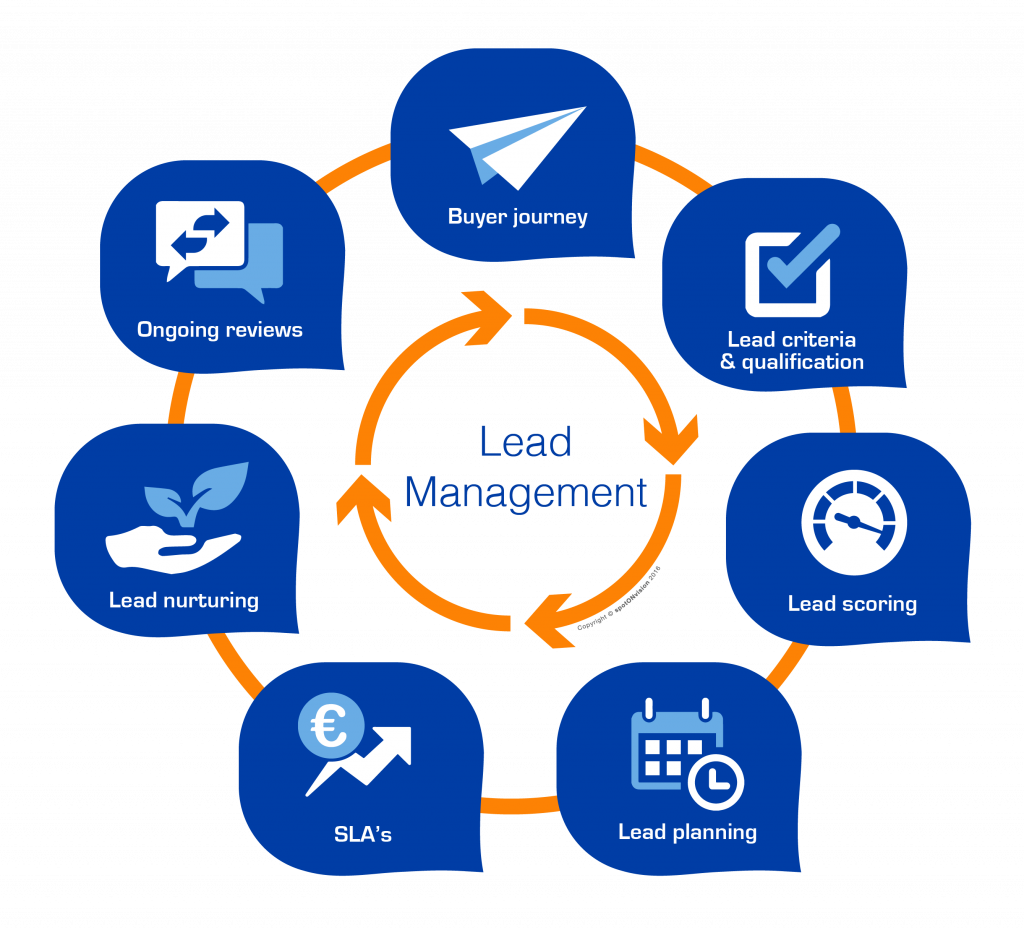
Lead management is the process of capturing, organizing, tracking, qualifying, and converting prospects into customers. It keeps potential customers in the pipeline until the sale is made. Companies use CRM in lead management to manage customer data, reminders, and sales processes in an automated manner without keeping manual records or spreadsheets.
Lead management CRM systems offer a variety of features designed to help improve sales conversion rates. Lead management CRM systems provide several features that can enhance sales conversion rates.
- Automated Lead Capture
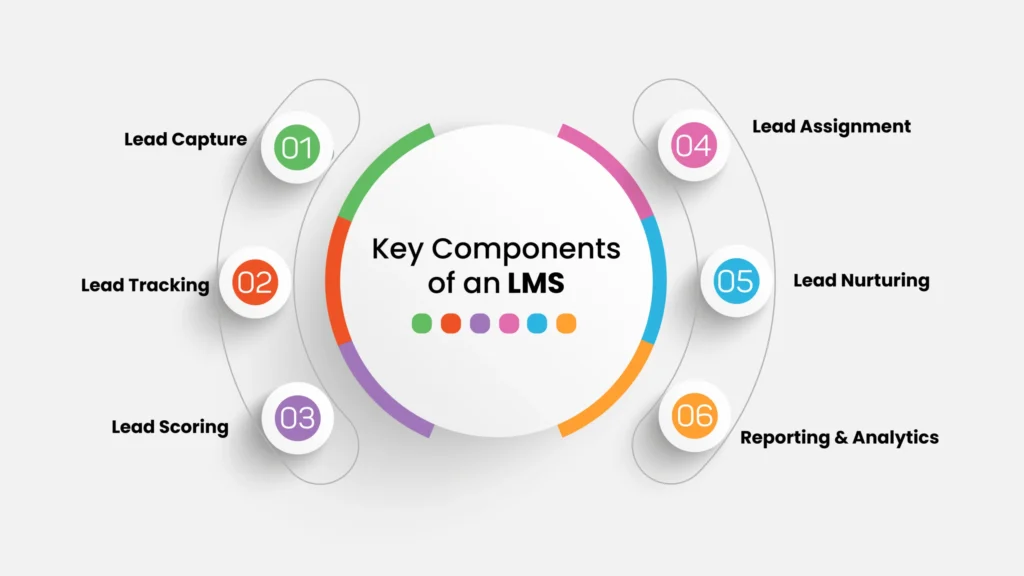
Automated lead capture is one of the most beneficial aspects of lead management CRM software. It captures leads without any manual efforts from websites, landing pages, social media, emails, and online forms. This feature can assist businesses:
- Reduce human errors
- Save time
- Capture every inquiry
- Start follow-ups immediately
The first rule of efficient lead management is to never lose lead.
- Lead Assignment
The best CRM for lead management automatically distributes leads to the relevant sales representatives according to the criteria that have been set.
Automated assignment reduces response time, and makes sure that all leads are attended to quickly, which raises their likelihood of getting converted.
- Lead Scoring
All leads are not created equal. Advanced CRM for lead management features lead scoring, which prioritizes prospects as a function of their actions, interactions and profile. Sales reps can focus on high-quality leads, and keep nurturing other leads. This will enhance productivity and boost conversions.
- Follow-Up Automation
In lead management, it is essential to have consistent communication. Businesses miss out on many sales by not following up at the proper time.
An automated CRM system, like the lead management CRM software, can enable businesses to automate:
- Follow-up reminders
- Email sequences
- Task notifications
- Customer updates
Automation helps to communicate and engage customers properly and on time.
- Sales pipeline management
It is another essential element of the best CRM for lead management that provides businesses with a visual view of their sales pipeline. The visual sales pipeline allows businesses to monitor the status of their leads and identify how they move from one point of the sales funnel to another.
The sales manager can easily determine when and why a sales opportunity has stalled and what action should be taken next to reactivate it.
- Reporting and Analytics
Efficient lead management is done with the help of informed decision making. The CRM dashboard provides reports on a number of factors such as the leads sources, conversion rates, performance of the team, sales trends, and other factors.
The information can aid businesses in maximizing their sales methods and in utilizing assets effectively.
How CRM for Lead Management Improves Sales Conversion Rates
Well-designed lead management CRM will help you manage all your sales processes from lead to lead with a single platform, handling your everyday tasks with automation. Sales representatives save time on administrative tasks, and more time on relationship building with prospects.
The benefits of some of the larger ones include:
- More efficient processing of new requests
- Better lead qualification
- Improved follow-up consistency
- Personalized customer communication
- Increased sales productivity
- Reduced lead leakage
A good CRM system for lead management helps companies manage their customers’ leads and ensures smooth business operations.
Tips for selecting the Ideal CRM for your Lead Management Requirements
Choosing the right lead management CRM software will depend on the needs of your business. When considering a decision, take into account the following:
- Easy-to-use interface
- Automation capabilities
- Lead scoring functionality
- Sales pipeline visualization
- Reporting and analytics
- Mobile accessibility
- Third-party integrations
- Scalability for future growth.
A flexible CRM for lead management should make operations easier and promote long-term growth for the company.
Best practices for Effective Lead Management
The following practices are recommended to get the most out of lead management:
- Quickly respond to new leads.
- Update the customer data.
- Streamline repetitive sales activities.
- Prioritize high-quality leads.
- Monitor customers’ interactions on a regular basis.
- Review sales reports and make improvements.
- Ensure that sales representatives are properly trained for the use of the CRM features.
It enhances companies’ efficiency and customer satisfaction when implemented in these practices.
Conclusion
Good lead management is an essential part of increasing sales conversion rates. By using modern solutions of CRM for lead management, businesses can automate lead capture, streamline follow-up, manage sales pipelines, and benefit from reports and analytics. The best CRM for lead management can make sales teams more efficient, respond quickly and establish better customer relationships. The selection of an appropriate lead management CRM software isn’t simply about structuring contacts, it is about establishing a structured sales process that aids business growth. With the right tools and best practice, businesses can make the most of the situation, boost productivity and build a loyal customer base.