
Introduction
CRM for Education in Colleges and universities today operate under growing pressure. Student expectation are higher, competition between institutions and admission cycles are longer and more complex. A single intake may involve thousands of inquiries, multiple decision-makers within families, entrance exams, interviews, financial discussions, and extended follow-up periods.
What CRM Means in Higher Education
Core functions typically include:
- Capturing and organizing student inquiries
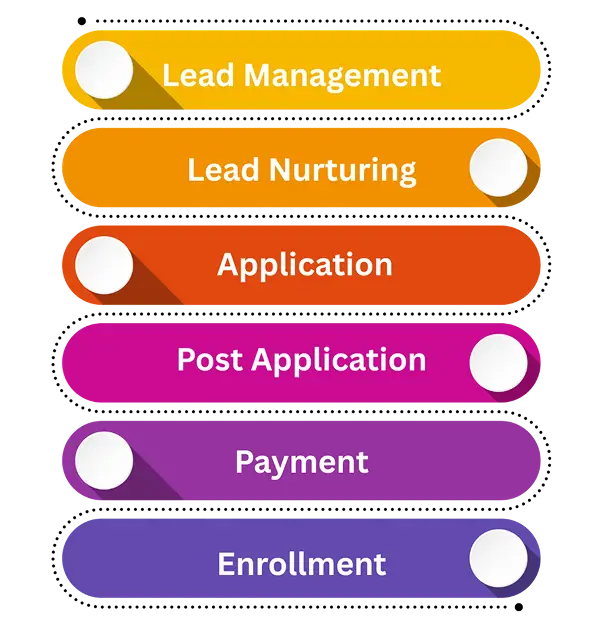
- Managing multi-stage admission workflows
- Tracking communication across calls, emails, and messages
- Coordinating counselors, departments, and campuses
- Providing enrollment visibility and reporting
Managing Follow-Ups Over Extended Admission Cycles
Automated Reminders and Task Management
CRMs generate reminders for scheduled calls, emails, document checks, and meetings. Counsellors no longer depend on memory or personal tracking methods.
Complete Communication Context
All peoples are logging within the CRM. If a student reconnect after weeks then it start their work.
CRM for Higher Education Brings Leads
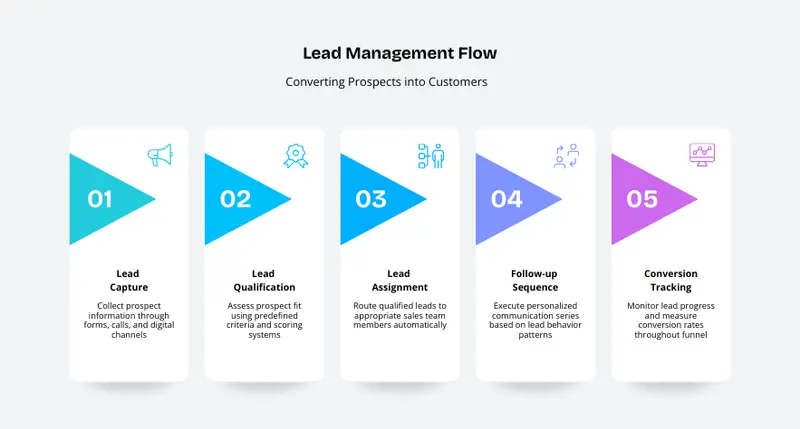
A CRM for higher education brings order to admissions and enrollment without compromising academic values. It allows colleges and universities to manage scale, complexity, and long decision cycles with clarity and consistency.
For institutions seeking a CRM aligned with higher education workflows, Sensation CRMs offers solutions built specifically for colleges and universities. The platform supports inquiry management, admission tracking, structured follow-ups, and enrollment visibility while remaining practical and easy to adopt.
When implemented thoughtfully, a CRM becomes a reliable operational foundation for modern higher education admissions.
Frequently Asked Questions
How does a CRM help colleges improve admissions?
A CRM centralizes student interactions, tracks admissions stages, automates follow-ups, and provides visibility into conversion trends to improve enrollment performance.
What challenges do colleges face in admissions?
Higher education institutions often struggle with managing large inquiry volumes, long decision timelines, complex program options, and consistent follow-ups.
How does a CRM help colleges improve admissions?
A CRM centralizes student interactions, tracks admissions stages, automates follow-ups, and provides visibility into conversion trends to improve enrollment performance.
Does CRM improve communication with prospective students?
Yes. It logs all interactions email, calls, messages and ensures counselors always have context for each conversation.
CRM only useful during admissions?
No. A CRM supports engagement from inquiry through enrollment and can also assist with retention, communication, and alumni tracking.