Introduction
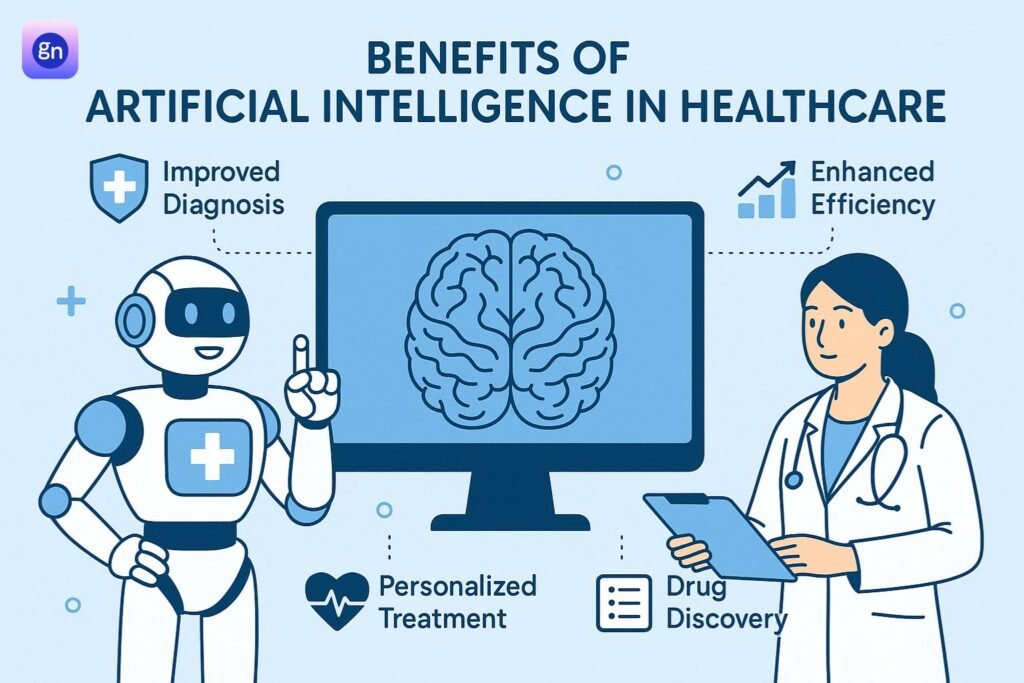
Home physical therapy has become increasingly popular as patients seek convenient, affordable, and personalized rehabilitation options. With the rise of artificial intelligence (AI), home-based physical therapy is evolving into a smarter and more effective healthcare solution. AI-powered systems help patients perform exercises correctly, monitor progress in real time, provide personalized treatment recommendations, and connect healthcare professionals with patients remotely.
From recovering after surgery to managing chronic pain and neurological conditions, AI is changing the way rehabilitation is delivered. This article explores how home physical therapy AI works, its benefits, applications, challenges, and future potential.
What Is Home Physical Therapy AI?
Home Physical Therapy AI refers to the use of artificial intelligence technologies to support rehabilitation exercises outside traditional clinical settings. AI systems utilize computer vision, machine learning, wearable sensors, motion tracking, and predictive analytics to guide patients through therapeutic exercises while monitoring their performance.
Instead of relying solely on periodic clinic visits, patients can receive continuous guidance and feedback from AI-powered applications using smartphones, tablets, webcams, or wearable devices.
How Home Physical Therapy AI Works
Modern AI rehabilitation platforms combine several advanced technologies:
1. Motion Tracking
Using a smartphone camera or webcam, AI detects body movements and compares them with recommended exercise patterns.
2. Real-Time Feedback
The system immediately alerts users if their posture or movement is incorrect, reducing the risk of injury and improving exercise quality.
3. Personalized Exercise Plans
Machine learning algorithms analyze patient progress and adjust exercise intensity, repetitions, and difficulty based on recovery performance.
4. Progress Monitoring
AI continuously tracks:
- Range of motion
- Exercise completion
- Balance improvement
- Pain levels
- Recovery speed
- Mobility scores
These insights help therapists make informed treatment decisions.
5. Remote Communication
Physical therapists can review patient data remotely, update treatment plans, and communicate through secure telehealth platforms.
Benefits of AI in Home Physical Therapy
Improved Accessibility
Patients living in rural or underserved areas can receive rehabilitation guidance without traveling long distances.
Personalized Care
AI adapts treatment plans according to each patient’s unique recovery progress rather than using a one-size-fits-all approach.
Better Exercise Accuracy
Real-time posture correction reduces improper movement and helps patients perform exercises more safely.
Increased Patient Motivation
Gamification, progress tracking, reminders, and achievement badges encourage patients to stay engaged with their therapy programs.
Cost Savings
Reduced clinic visits can lower healthcare expenses while maintaining consistent rehabilitation support.
Continuous Monitoring
Unlike occasional clinic appointments, AI systems collect recovery data every day, giving therapists a more complete picture of patient progress.
Common Applications
Home Physical Therapy AI is useful for treating many conditions, including:
Orthopedic Rehabilitation
Patients recovering from:
- Knee replacement
- Hip replacement
- Shoulder surgery
- ACL reconstruction
- Fractures
Neurological Rehabilitation
AI supports rehabilitation for:
- Stroke recovery
- Parkinson’s disease
- Multiple sclerosis
- Traumatic brain injuries
Chronic Pain Management
Patients with chronic conditions such as lower back pain or arthritis can receive guided exercise programs with ongoing progress monitoring.
Sports Injury Recovery
Athletes use AI-guided rehabilitation to safely return to training after injuries.
Senior Mobility
Older adults benefit from fall prevention exercises, balance training, flexibility improvement, and strength-building routines.
Key AI Technologies
Several technologies power modern home physical therapy systems:
Computer Vision
Detects body posture without requiring specialized equipment.
Machine Learning
Learns from patient performance to personalize treatment recommendations.
Wearable Sensors
Smartwatches and motion sensors collect data on movement, heart rate, and activity levels.
Predictive Analytics
AI predicts recovery timelines and identifies patients who may require additional medical attention.
Natural Language Processing
Voice assistants allow patients to interact with rehabilitation systems using simple spoken commands.
Challenges and Limitations
Despite its advantages, AI-powered home therapy faces several challenges:
Limited Human Interaction
AI cannot fully replace the clinical judgment, empathy, and hands-on assessment provided by licensed physical therapists.
Privacy and Data Security
Rehabilitation systems collect sensitive health information that must be protected through strong security measures.
Technology Barriers
Some patients, particularly older adults, may struggle with smartphones, apps, or internet connectivity.
Accuracy Limitations
Poor lighting, camera placement, or complex movements can reduce the accuracy of motion tracking.
Regulatory Compliance
Healthcare AI must meet regulatory standards and comply with privacy laws to ensure safe and responsible use.
Future Trends
The future of home physical therapy AI is expected to include:
- AI-powered virtual rehabilitation coaches
- Advanced 3D motion analysis
- Integration with smart home devices
- Virtual Reality (VR) rehabilitation
- Augmented Reality (AR) exercise guidance
- Digital twins that simulate patient recovery
- More accurate predictive recovery models
- Greater integration with electronic health records
These innovations could further improve rehabilitation outcomes while making high-quality care more widely accessible.
Best Practices for Patients
To get the most from AI-assisted home physical therapy:
- Follow your therapist’s instructions carefully.
- Perform exercises consistently.
- Position your camera correctly for accurate motion tracking.
- Report pain or unusual symptoms promptly.
- Attend scheduled follow-up appointments.
- Keep your AI application updated for the latest features and improvements.
- Related keyphrases
- At-home physical therapy
- Home physiotherapy
- In-home physical therapy
- Physical therapy at home
- Home rehabilitation services
Conclusion
Artificial intelligence is reshaping home physical therapy by making rehabilitation more personalized, accessible, and data-driven. Through motion tracking, real-time feedback, remote monitoring, and adaptive exercise programs, AI helps patients recover more effectively while supporting healthcare professionals with valuable clinical insights.
Although AI is not a replacement for licensed physical therapists, it serves as a powerful tool that enhances traditional rehabilitation. As technology continues to advance, AI-powered home physical therapy is likely to become an increasingly important part of modern healthcare, enabling patients to receive high-quality rehabilitation from the comfort of their own homes.